How Professional Termite Control Services Create Peace of Mind
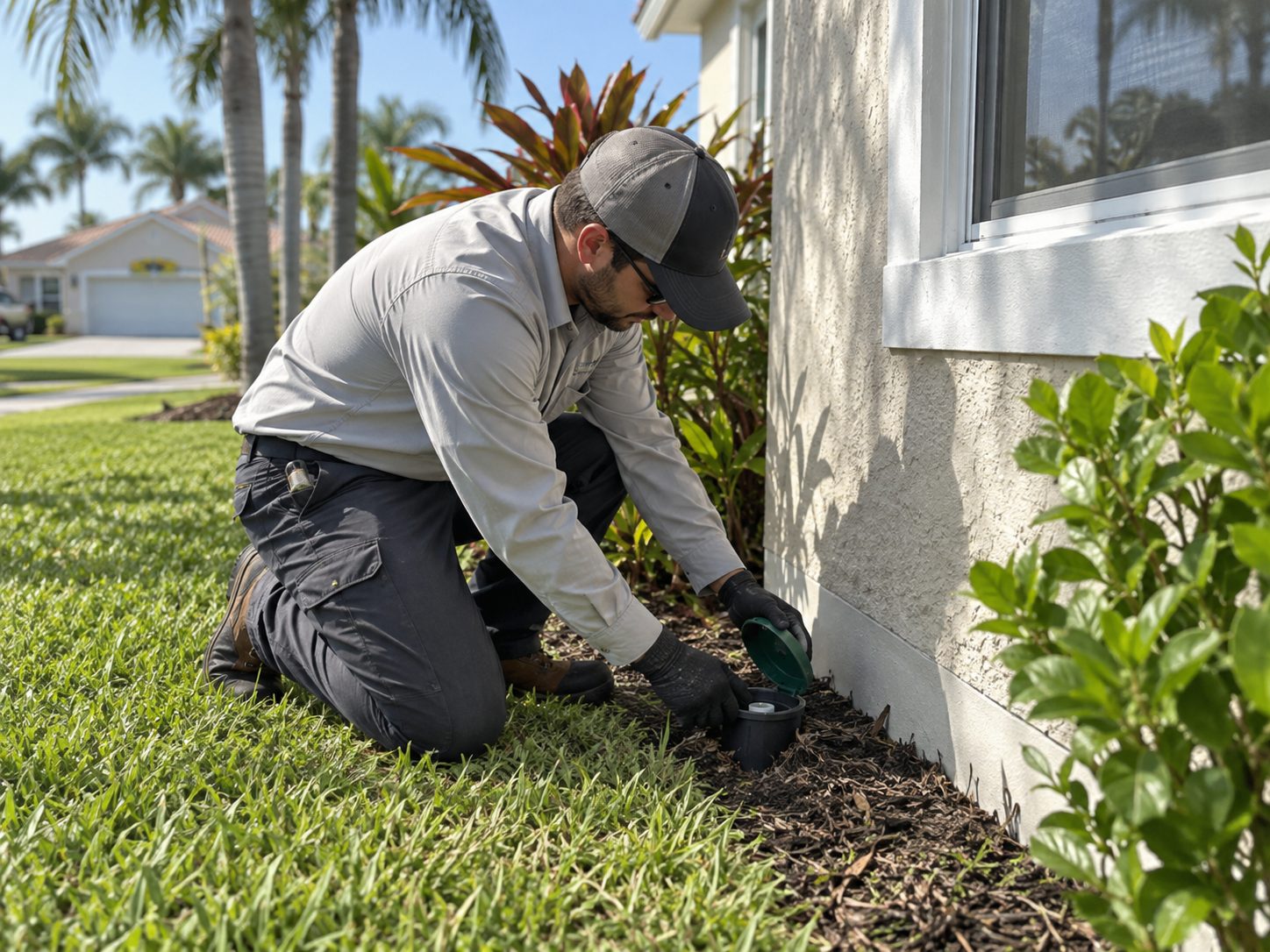
A termite problem rarely announces itself in a dramatic way. More often, it Termite Control Services starts quietly. A door begins to stick. Paint looks slightly bubbled near a baseboard. A homeowner notices a thin line of dirt climbing a foundation wall and assumes it is nothing more than dried mud. By the time the damage becomes obvious, termites may have been feeding for months or even years.
That gap between activity and discovery is what makes termites so unsettling. People can usually spot ants in a kitchen or hear rodents in an attic. Termites operate behind walls, beneath floors, inside support members, and along hidden entry points. They exploit the places most homeowners never see. The stress does not come only from the insects themselves. It comes from uncertainty. Is the damage minor or extensive? Are they still active? Has the structure been compromised? Will treatment actually solve the problem, or only delay it?
This is where professional Termite Control Services earn their value. They do far more than apply a product and leave. Good termite work combines inspection, diagnosis, treatment planning, risk reduction, and long-term monitoring. More important, it replaces fear and guesswork with a clear process. That process is what creates peace of mind.
The real source of worry is not just termites, it is what you cannot see
Most people think of termites as a pest issue. In practice, they are also a financial issue, a maintenance issue, and in some cases a safety issue. Subterranean termites, the species many property owners deal with, can move from soil to structure without exposing themselves for long. They stay moist, avoid light, and feed on cellulose inside wood and wood-based materials. A colony does not need a grand opening to get established. A crack in a slab, an expansion joint, a utility penetration, or wood-to-soil contact may be enough.
The emotional strain often starts once someone realizes how hidden the problem can be. A homeowner who finds a swarm near a window may spend the next week imagining every beam in the house being hollowed out. A seller preparing to list a property may worry about a failed inspection derailing the sale. A landlord may wonder whether complaints from tenants point to a localized issue or a larger infestation spreading through the building.
Professional Termite Control Services reduce that strain because they begin with evidence. Instead of assumptions, you get a trained inspection. Instead of vague fears, you get findings tied to actual conditions on the property. That distinction matters. Sometimes the problem is active termites. Sometimes it is old damage from a previous infestation. Sometimes it is a high-risk environment with no current activity, which still calls for preventive treatment or correction. Peace of mind starts when someone qualified separates those scenarios.
Experience changes what an inspection can uncover
A thorough termite inspection is not a quick walk around the perimeter. The best technicians read a building the way a seasoned contractor reads framing or a roofer reads flashing. They look for the obvious signs, but they also notice patterns that signal vulnerability.
In older homes, crawl spaces are a common trouble spot. Excess moisture, poor ventilation, plumbing drips, and wood debris left from past repairs can create ideal conditions. In slab homes, the clues are different. Mud tubes may appear along expansion joints, garage slabs, bath trap penetrations, or where patios meet the house. In multi-unit properties, one untreated or poorly maintained section can expose adjoining areas.
An experienced inspector also understands what not to overstate. I have seen cases where minor cosmetic wood damage caused enormous panic, even though the source was moisture and fungus rather than termites. I have also seen the opposite, where a homeowner dismissed a few winged insects as harmless ants and turned out to have active termites in two separate sections of the structure. Judgment is part of the service. It prevents both underreaction and expensive overreaction.
That judgment is especially valuable because termite activity does not look the same in every structure. A well-trained professional considers building type, local soil conditions, drainage, landscaping, renovation history, and previous treatment records. A house with dense shrubbery against the foundation presents one set of challenges. A commercial building with expansion joints and utility trenches presents another. Cookie-cutter assumptions do not work well in termite control.
Treatment is not one-size-fits-all, and that is reassuring
One reason professional service creates confidence is that treatment should match the structure and the infestation pattern. Homeowners are often surprised to learn there is no single universal method that fits every property. That is not a weakness. It is a sign the work requires planning.
Liquid soil treatments, baiting systems, localized wood treatments, and void applications all have their place. The right approach depends on factors such as the species involved, whether the infestation is active, how the building is constructed, and how accessible the critical areas are. A slab home with active subterranean termites entering from multiple points may call for a perimeter treatment strategy. A structure where monitoring and low-impact intervention are priorities may be better served by a professionally managed baiting program. In some cases, a combination approach makes the most sense.
The peace of mind comes from knowing a professional is making those decisions for a reason. Homeowners do not need to become entomologists or construction experts overnight. They need someone who can explain why a recommendation fits the conditions at their property. A good provider does that in plain language. They explain what they found, how termites are getting in, what the treatment is designed to do, and what results to expect over time.
That last point matters. Some treatments act faster than others. Some create a treated zone intended to intercept termites in the soil. Some rely on colony suppression over time. When expectations are clear, people worry less because they understand the process instead of waiting in the dark.
The best service includes prevention, not just elimination
Termite control is rarely just about killing the termites you have today. It is about reducing the chance of another costly surprise six months or three years from now. This is one of the strongest reasons professional Termite Control Services create lasting peace of mind rather than temporary relief.
Many infestations are linked to correctable conditions around the property. Poor drainage that keeps soil damp near the foundation can increase risk. Firewood stacked against siding creates a bridge. Mulch piled too high can hide termite tubes. Leaking hose bibs, clogged gutters, and air conditioning condensation that drains poorly can all contribute. None of those conditions guarantees termites, but together they make the structure more inviting and make inspection harder.
A seasoned technician often provides recommendations that go beyond pesticide use. They may suggest improving clearance between soil and siding, replacing damaged wood trim, repairing moisture sources, or adjusting landscaping that blocks visual access to the foundation. These details are not glamorous, but they are powerful. They shift the property from reactive to defensible.
The effect on a homeowner is significant. Instead of feeling hunted by an invisible problem, they feel they have a plan. The home becomes easier to monitor, easier to protect, and less likely to suffer hidden damage.
Documentation matters more than people think
One of the least discussed benefits of professional termite service is paperwork. That may sound unexciting, but in real estate and property management, clear documentation is often what allows people to breathe again.
When a professional company performs an inspection and treatment, it usually creates a record of findings, service dates, treatment areas, materials used, and follow-up recommendations. For homeowners, that record is useful when selling, refinancing, or planning repairs. For buyers, it provides context instead of vague assurances. For landlords and commercial owners, it supports maintenance planning and helps track recurring risk areas.
I have seen transactions stall because a seller said, “We had termites years ago, but it was handled,” and no one could produce details. I have also seen deals move forward smoothly because the owner had inspection reports, treatment records, and evidence of annual renewals. The same infestation can feel very different depending on whether it is backed by verifiable history.
Peace of mind is not only emotional. Sometimes it is practical. It is the comfort of having proof.
Why DIY termite control often leaves people more anxious
There is a natural temptation to handle termites with store-bought products, especially if the signs seem limited. That instinct is understandable. People want to act quickly and avoid a large bill. The problem is that surface-level action rarely matches the hidden nature of the infestation.
Spraying visible insects around a window or porch may kill what you can see while missing the colony pressure that matters. Treating one patch of soil may leave multiple entry points untouched. Filling a damaged board with wood hardener may improve appearance without stopping active feeding elsewhere. The result is often a false sense of resolution followed by renewed anxiety when signs return.
A homeowner once described this cycle perfectly after trying to manage termites on his own. He said the problem never left his mind because he was never sure whether he had solved anything or just disturbed it. That is a common experience. DIY work can create the impression of action without delivering confidence.
Professional Termite Control Services change that because they are structured around verification. The technician is not just asking, “Did we kill the insects we saw?” They are asking, “Where is the infestation pattern, what conditions support it, how do we intercept it, and how will we confirm the property is protected?” That broader frame is what reduces lingering worry.
Follow-up is where trust is built
A single treatment, even a well-executed one, is only part of the story. Peace of mind often comes from what happens afterward. Reputable termite companies understand this. They do not present termite control as a one-day event when the biology of the pest and the complexity of buildings say otherwise.
Follow-up may include scheduled inspections, monitoring station checks, warranty renewals, and reassessment of risk factors around the property. In baiting systems, continued service is central to the program. In liquid treatment scenarios, periodic inspections help catch changes in conditions that might affect long-term protection.
This is not about creating unnecessary repeat visits. It is about recognizing that homes change. Landscaping is added. Irrigation leaks develop. New cracks appear. Renovations alter access and entry points. What was low risk three years ago may deserve a second look now.
That continuity matters psychologically as much as technically. When property owners know someone is tracking the issue over time, they stop feeling solely responsible for spotting every warning sign. They still play a role, of course, but they are no longer carrying the entire burden alone.
The financial side of peace of mind
People sometimes hesitate to hire professionals because termite treatment can feel expensive, especially if they are also facing repair costs. That concern is fair. Budget matters. But it helps to compare termite service not to doing nothing, but to the cost of uncertainty.
Structural repairs from long-term termite activity can escalate quickly. Replacing trim is one thing. Rebuilding a damaged sill plate, subfloor section, porch support, or wall framing is another. Once contractors open walls or floors, they may uncover hidden extent that was impossible to price at the start. Delays also add cost. Waiting six months to “see Termite Control Services if it gets worse” can be much more expensive than acting when evidence first appears.
Professional service helps control that financial risk in two ways. First, it improves the chance of stopping active infestations before damage expands. Second, it gives property owners a realistic picture of severity, which helps them prioritize repairs and avoid spending blindly.
For many people, peace of mind comes from knowing the costs are now defined. They may not love the number, but they prefer a concrete plan over an open-ended threat.
What homeowners should expect from a quality provider
Not every company offers the same standard of service, and this is worth saying clearly. Professionalism in termite control is not just a matter of licensing. It shows up in communication, inspection quality, treatment design, and follow-through.
A strong provider typically does a few things very well:
- Explains findings clearly, including whether evidence appears active, old, or inconclusive.
- Recommends a treatment approach that fits the structure rather than forcing the same package on every property.
- Identifies contributing conditions such as moisture, wood-to-soil contact, or inaccessible inspection areas.
- Provides written documentation, service details, and warranty terms in plain language.
- Sets realistic expectations about timelines, follow-up, and what the homeowner should monitor.
When those elements are present, the relationship feels less like a sales transaction and more like risk management. That shift is important. People do not just want bugs gone. They want confidence that the home is understood and protected.
Peace of mind for buyers, sellers, and landlords looks a little different
The value of termite service changes depending on who is involved with the property. A homeowner living in the house often cares most about safety, repair costs, and confidence in the treatment. A buyer wants to know whether they are inheriting hidden problems. A seller wants to prevent surprises that could weaken negotiations. A landlord wants documentation, tenant reassurance, and a repeatable plan across units or buildings.
That is why experienced termite professionals adjust their communication as well as their treatment. A first-time homebuyer may need more explanation about what termite evidence means and does not mean. A property manager may need a concise report with service intervals and renewal terms. A seller may need guidance on how inspection findings could affect disclosure and repair timing.
This flexibility is another quiet source of peace of mind. Clients feel more secure when the service addresses their actual situation rather than delivering generic pest control language.
The emotional relief is real, and it should not be dismissed
There is a practical culture around home maintenance that sometimes treats stress as irrelevant. Fix the problem, pay the bill, move on. But anyone who has dealt with termites knows the emotional burden is part of the problem. People lose sleep over what they imagine is happening behind the walls. They second-guess every creak in the floor. They worry about whether they missed early signs and whether new damage is appearing.
Professional Termite Control Services help because they replace imagination with inspection, uncertainty with strategy, and isolation with support. Even before the treatment begins, many property owners feel calmer once a knowledgeable person has assessed the situation and explained it honestly. That response is not irrational. It is what happens when a hidden threat becomes a manageable project.
Homes carry financial value, but they also carry emotional value. They are where people live, raise children, care for relatives, store memories, and plan futures. Protecting that space is about more than wood and concrete.
What lasting confidence really looks like
Lasting peace of mind does not mean never thinking about termites again. It means knowing the property has been properly assessed, treated when needed, and set up for sensible monitoring. It means understanding the risk factors and having a professional relationship you can rely on if conditions change. It means a suspicious sign on a windowsill does not trigger panic because you know what to do next.
That is the quiet strength of professional termite work. It is not dramatic. It is methodical. It brings structure to a problem that thrives on being hidden. It gives owners and occupants something they rarely have before service begins, which is clarity.
And clarity, more than anything else, is what turns termite control into peace of mind.
Maximum Pest Control
836 NE 7th Terrace Suite #5
Cape Coral, FL 33909
+1 239-772-7363
FAQ About Termite Control Services
What are two signs of a termite infestation?
Mud tubes along a foundation and piles of shed wings near doors or windows are two signs to investigate. Mud tubes are associated with subterranean termites. A licensed inspector can identify the insect and assess whether there is active infestation.
How many years does a termite treatment last?
There is no single timeline for all treatments. The method, site conditions, and maintenance affect how long protection lasts. Bait systems rely on monitoring and service. Ask the provider for the recommended inspection schedule and the terms of any coverage.
Is Termite Treatment Expensive in Cape Coral?
Cost depends on the termite species, the size and construction of the property, the extent of activity, and the treatment method. Request a written estimate after inspection and ask whether monitoring, follow-up visits, and renewals are included.