How Professional Termite Control Services Support Renovation Projects
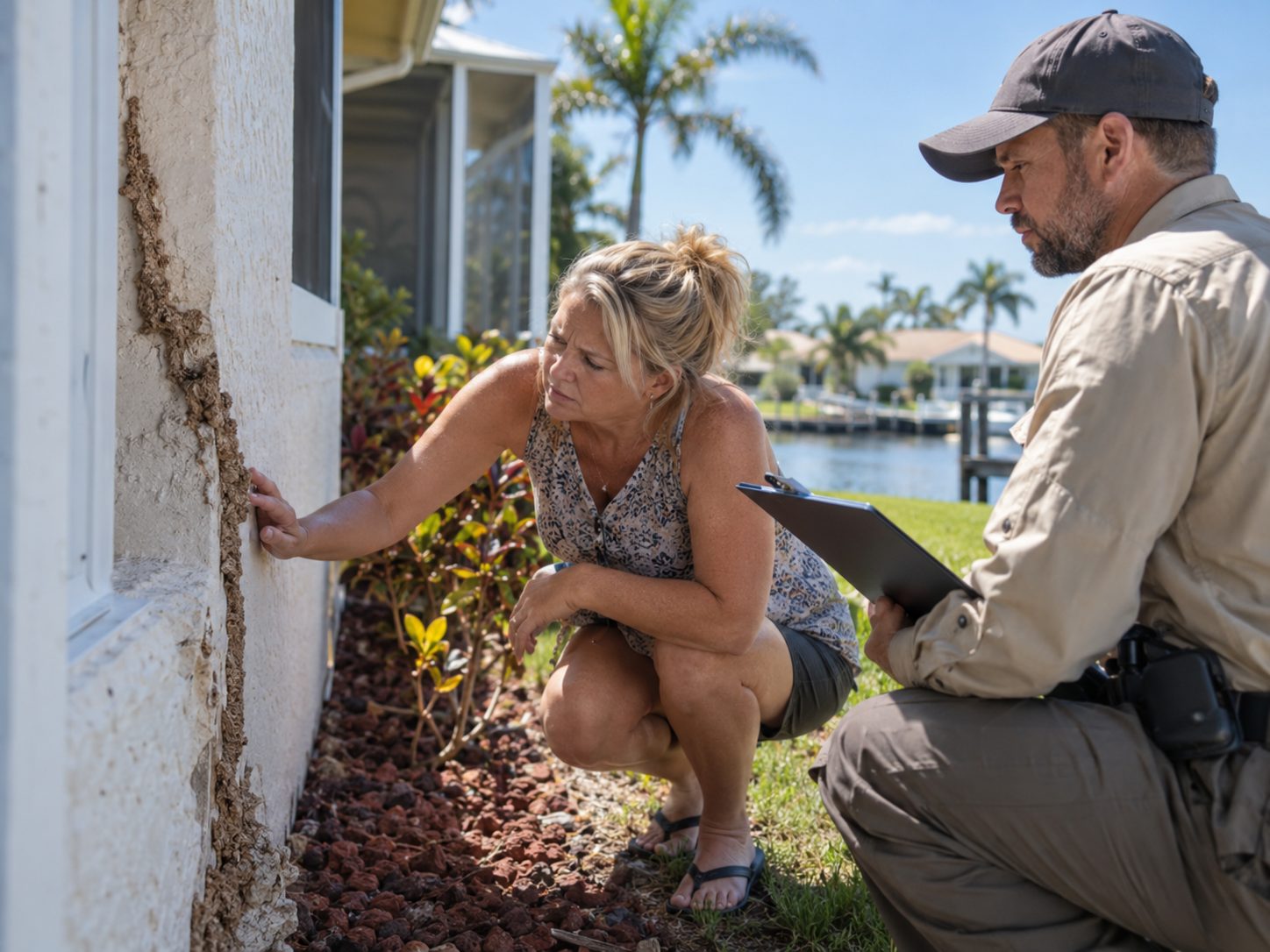
Renovation work exposes what a finished building hides. Once drywall comes down, cabinets are removed, and flooring is lifted, the real condition of a property becomes obvious. That is often the moment termites enter the conversation, sometimes as a suspected risk, sometimes as visible evidence, and sometimes as the expensive surprise nobody budgeted for.
For contractors, designers, property investors, and homeowners, termite activity is not just a pest issue. It is a structural, scheduling, and financial issue. A renovation can move smoothly for weeks and then stall the moment damaged framing, hollow trim, or mud tubes appear behind a wall. At that point, every decision becomes more complicated. Does the crew keep going? Does demolition need to expand? Is the damage active or old? Can replacement materials be installed safely before treatment? These are questions that general trades should not have to answer alone.
That is where professional Termite Control Services earn their place in a renovation project. Their role goes far beyond spraying chemicals or setting bait stations. In practice, they help identify hidden risk, separate cosmetic damage from structural concern, guide sequencing, and reduce the chance that a newly renovated space will need to be opened up again later. When their work is coordinated properly, they protect both the building and the renovation budget.
Renovation changes the termite risk profile
A lived-in home can conceal termite activity for years. Paint, insulation, floor coverings, paneling, and built-ins often hide the early signs. During renovation, that concealment disappears. The process itself also changes the property in ways that matter to termites. New plumbing runs can introduce moisture. Exterior grading may be altered. Concrete may be cut. Landscaping may be removed and later replaced. Porches, additions, and interior reconfigurations can create fresh wood-to-soil contact or leave treatment gaps if no one is paying attention.
This matters because termites do not care whether a structure is old or newly remodeled. If conditions are favorable, they will exploit them. Subterranean termites, the most common and destructive type in many regions, need moisture and access. Drywood termites have different behavior, but they can be just as disruptive in certain climates, especially in roof framing, trim, and attic spaces. Renovation can expose either type, but it can also create ideal conditions for future infestation if prevention is treated as an afterthought.
Experienced renovators learn quickly that timing is everything. Once fresh drywall is up, custom millwork is installed, and flooring is finished, a simple inspection becomes harder and more invasive. Addressing termite issues before those finishes go in is cheaper, cleaner, and far less disruptive.
What termite professionals see that others often miss
A good carpenter can recognize rot. A good home inspector can note evidence of damage. A structural engineer can assess load paths and member capacity. But termite professionals bring a different lens. They know how termite activity presents in the field, where colonies usually enter, how damage patterns differ from water-related deterioration, and which findings suggest active infestation instead of old history.
In one renovation of a mid-century ranch, a contractor called for help because a baseboard crumbled during removal. At first glance, everyone assumed a past leak from the nearby bathroom had ruined the wall bottom plate. Once the wall was opened further, there were mud tubes tracking behind insulation and along the concrete block foundation. The leak had existed, but it was not the main story. Termites had turned localized repair into a broader intervention. Because the issue was discovered before the drywall phase, treatment and selective framing replacement happened without tearing out finished work later.
That kind of distinction saves money. Not every damaged piece of wood means live termites. Not every absence of visible insects means the structure is clear. Professional Termite Control Services understand the signs that point to current colony activity, secondary infestation risk, and likely pathways that need to be interrupted. In renovation work, those nuances shape the next several decisions.
Pre-renovation inspections are more valuable than many owners realize
A termite inspection before major work begins is often treated as optional unless a lender or buyer requires it. From a project management standpoint, that is shortsighted. Renovation budgets are built on assumptions, and one of the costliest assumptions is that hidden structural wood is sound.
A pre-renovation termite inspection helps establish three things. First, it identifies whether active infestation is present. Second, it documents existing damage zones so the contractor can price demolition and framing repair more accurately. Third, it gives the project team a chance to plan treatment before finishes and fixtures reduce access.
This is especially important in older homes, investment properties, and any structure with a history of leaks, poor drainage, or deferred maintenance. It is also useful in additions or remodels where foundations are being disturbed. Soil treatments, bait systems, and localized applications can be easier to install when the project is already in a rough stage.
The financial upside is not theoretical. Even modest termite-related framing repairs can add several thousand dollars to a renovation. If beams, sill plates, subflooring, or roof framing are involved, the number can rise quickly. On high-end remodels, the cost of reopening finished spaces can exceed the original treatment cost many times over. Knowing the condition before the build starts allows owners to make informed choices, rather than emergency decisions under schedule pressure.
The role of termite control during demolition and discovery
Demolition is usually where the truth comes out. Crews remove wall coverings or flooring for one reason and uncover something unrelated that changes the scope. When signs of termite activity appear at this stage, the smartest response is controlled investigation, not blind continuation.
Professional termite teams often work alongside contractors during selective demolition. If a kitchen wall shows damage around a window header, for example, the inspector may recommend opening adjacent cavities to determine how far the activity extends. That is more strategic than replacing only the visibly damaged section and hoping the rest is sound. On a porch rebuild, they may inspect where ledger boards, joists, and posts meet the structure, because those junctions often reveal entry routes.
This collaboration helps define the real perimeter of the problem. It also reduces over-demolition. A contractor under pressure may want to keep opening walls until everything looks clean. A termite specialist can narrow the focus by reading the clues, where galleries are active, where mud shelter tubes are fresh, where frass is recent, and where damage appears historical and inactive.
That distinction protects the schedule. Renovation work does not stop because termites were found, but sequencing may need to change. Treatment might occur before reframing. Damaged members may need to remain temporarily for assessment before removal. Moisture sources may need correction before a treatment plan is finalized. When termite control professionals are brought in early, they can give the builder a realistic path forward instead of a vague warning.
Treatment timing can make or break the project
One of the biggest mistakes in renovation is treating termite control as the final punch-list item. By then, much of the access is gone. Better results usually come when treatment is integrated into the construction sequence.
The exact approach depends on the species, building type, and local conditions. Subterranean termites often require soil treatment, drilling at slab edges, trenching near foundations, or baiting systems positioned around the perimeter. In a remodel with open walls and exposed framing, targeted applications to vulnerable areas may also be appropriate. Drywood termite problems may call for localized treatment, removal of infested members, or broader interventions depending on spread and accessibility.
In practical terms, there are a few moments when termite control work is especially effective:
- Before demolition begins, to establish a baseline and identify known risk areas.
- During rough demolition, when hidden damage and access points become visible.
- Before insulation and drywall, when open framing allows direct observation and treatment.
- After exterior grading, drainage, or foundation work, to confirm that protective conditions still exist.
- At final turnover planning, to document prevention measures and future inspection needs.
That sequence is not rigid. Some projects need only one visit, while others benefit from staged involvement. Large renovations, historic properties, and multi-unit buildings often require more coordination because treatment choices can affect permits, tenant access, or specialty materials.
Termite control supports better construction decisions
People often frame termites as a pest problem and construction as a separate discipline. On renovation sites, the two overlap constantly. The presence or absence of termite activity influences how walls are rebuilt, how crawlspaces are ventilated, where access panels are useful, and how exterior details meet the ground.
A seasoned termite professional can point out practical vulnerabilities that are easy to miss during design revisions. A lowered flower bed against wood siding may look attractive on paper but create a hidden bridge. Foam insulation extending below grade can conceal termite tubes. Deck stairs bearing directly on soil, untreated lattice skirting, or stacked firewood against the house may not be part of the formal renovation scope, but they affect the long-term performance of the work.
This is where judgment matters. The goal is not to redesign every feature around worst-case pest fear. It is to avoid obvious invitations. Sometimes that means recommending a small change in material selection. Sometimes it means maintaining inspection gaps, improving drainage, or ensuring that new wood framing is separated from direct soil contact. On slab homes, it may mean careful detailing around expansion joints, plumbing penetrations, and abutting patios.
When these details are addressed during renovation, the building is not only protected, it is easier to monitor. That is a practical advantage owners appreciate years later.
Structural repairs and termite treatment must be coordinated
A recurring source of confusion on job sites is the relationship between treatment and repair. Termite control professionals do not replace structural members, and framing crews do not perform pest treatment. But each trade affects the other.
If damaged wood is removed too early, evidence of activity can disappear before the infestation is properly assessed. If treatment is delayed until after reframing, the new wood may be installed into an active risk area. If moisture conditions are left unresolved, both treatment effectiveness and repair longevity can be compromised.
The best renovation teams establish a simple communication loop. The termite professional identifies active zones and likely pathways. The contractor opens what needs to be opened and stabilizes unsafe conditions. The engineer, if one is involved, determines what must be replaced or reinforced. Then treatment and repair are sequenced so that one supports the other.
This is especially important in crawlspaces and basements, where sill plates, rim joists, and support posts are common trouble spots. In those spaces, termite damage can overlap with fungal decay, old insect activity, and moisture damage. Replacing everything visible might feel thorough, but it is not always necessary. Replacing too little can be worse. A measured assessment saves both labor and material costs.
Historic renovations require a different level of care
Older and historic buildings add another layer of complexity. Original growth lumber may be denser than modern stock, but it is not immune to termites. Decorative trim, plaster assemblies, old masonry interfaces, and unconventional framing details can conceal insect pathways in ways that modern houses do not.
Here, professional Termite Control Services do more than eliminate pests. They help preserve what can be saved. A broad, aggressive approach may not be appropriate if rare millwork, old flooring, or character-defining finishes are at stake. Localized treatment, careful opening strategies, and close coordination with preservation-minded contractors become more important.
There is also the issue of old damage. Historic structures often carry evidence of past termite activity that has been inactive for decades. Distinguishing between historical damage and current infestation matters because unnecessary interventions can destroy original material without improving protection. Good professionals know when to act decisively and when to document, monitor, and leave stable old damage in place.
Budgeting for termite work is smarter than being surprised by it
Few owners enjoy adding a termite allowance to a renovation budget. Yet doing so is one of the more realistic moves in older housing stock or in termite-prone regions. The amount does not have to be dramatic, but a contingency for pest-related investigation, treatment, and localized repairs can keep a project from becoming financially brittle.
Reasonable budgets vary widely by geography, species, access, and project size. A straightforward inspection and limited treatment may cost a fraction of what a structural repair package costs after hidden damage is discovered. On the other hand, extensive whole-perimeter treatment, repeated site visits, or major framing replacement can become significant line items. That variability is precisely why early evaluation is valuable.
Owners also need to understand that the cheapest proposal is not always the best fit for a renovation. A low bid that treats only the immediate symptom may leave unresolved access points or miss the opportunity to coordinate with open-wall conditions. Better value often comes from a provider who understands construction phasing, documents findings clearly, and communicates well with Maximum Pest Control Termite Control Services the builder.
Communication on site matters as much as the treatment itself
The most effective termite support on a renovation project often looks unremarkable from the outside. It is a marked-up site plan, a clear note about where drilling is needed, a conversation with the superintendent before concrete is poured, or a reminder that a landscaping change will cover an inspection zone. These details prevent mistakes.
When communication is poor, termite control becomes reactive. Someone finds damage late. Someone else patches over an access point. Another trade installs finishes before treatment happens. Then the owner pays for rework. Good providers do the opposite. They document findings in practical language, explain what is active versus historical, and make recommendations that fit the construction schedule rather than ignoring it.
The best site interactions are straightforward. The termite specialist says what was found, what it means, what needs treatment, and what should be monitored later. The contractor responds by adjusting sequence where necessary. Nobody overstates. Nobody minimizes. That clarity helps owners trust the process, especially when hidden damage has already rattled confidence.
After the renovation, the job is not entirely finished
A renovated property can still become vulnerable again if maintenance slips. Termite control is not a one-time event in the life of a building, particularly in regions where pressure is high year after year. New finishes do not make a property termite-proof. They simply raise the cost of future access.
That is why post-renovation guidance matters. Owners should know where treatment was performed, what warranties or service intervals apply, and which property conditions should be watched. A beautiful remodel with poor drainage, leaky irrigation, mulch piled against siding, or blocked crawlspace ventilation can drift back into risk surprisingly fast.
For investors and landlords, routine inspection is even more important because tenants may not notice early signs or may hesitate to report them. For homeowners, annual or periodic review often costs very little compared with repairing new cabinetry, hardwood flooring, or custom trim after an avoidable infestation.
Professional Termite Control Services support that long view. They do not just solve the immediate discovery behind a wall. They help protect the capital that has just been invested in the renovation itself.
Why the partnership works
Renovation is controlled disruption. Walls are opened, systems are moved, hidden conditions are exposed, and assumptions are tested. Termites thrive in the spaces between assumptions and reality. That is why their management belongs inside the renovation process, not at its edges.
When termite professionals are included early, they sharpen scopes of work, reduce uncertainty, and help prevent expensive rework. They also bring a type of field knowledge that complements design and construction expertise. A good contractor knows how to rebuild. A good termite specialist knows how and why the damage happened, how to stop it, and how to lower the odds of seeing it again.
For anyone planning a serious remodel, especially in older buildings or termite-prone areas, that partnership is not an extra. It is part of doing the work properly. The renovation may be about finishes, layout, and value, but it still depends on the quiet integrity of the structure behind the walls. Protecting that structure is where termite control proves its worth.
Maximum Pest Control
836 NE 7th Terrace Suite #5
Cape Coral, FL 33909
+1 239-772-7363
FAQ About Termite Control Services
What are two signs of a termite infestation?
Mud tubes along a foundation and piles of shed wings near doors or windows are two signs to investigate. Mud tubes are associated with subterranean termites. A licensed inspector can identify the insect and assess whether there is active infestation.
How many years does a termite treatment last?
There is no single timeline for all treatments. The method, site conditions, and maintenance affect how long protection lasts. Bait systems rely on monitoring and service. Ask the provider for the recommended inspection schedule and the terms of any coverage.
Is Termite Treatment Expensive in Cape Coral?
Cost depends on the termite species, the size and construction of the property, the extent of activity, and the treatment method. Request a written estimate after inspection and ask whether monitoring, follow-up visits, and renewals are included.